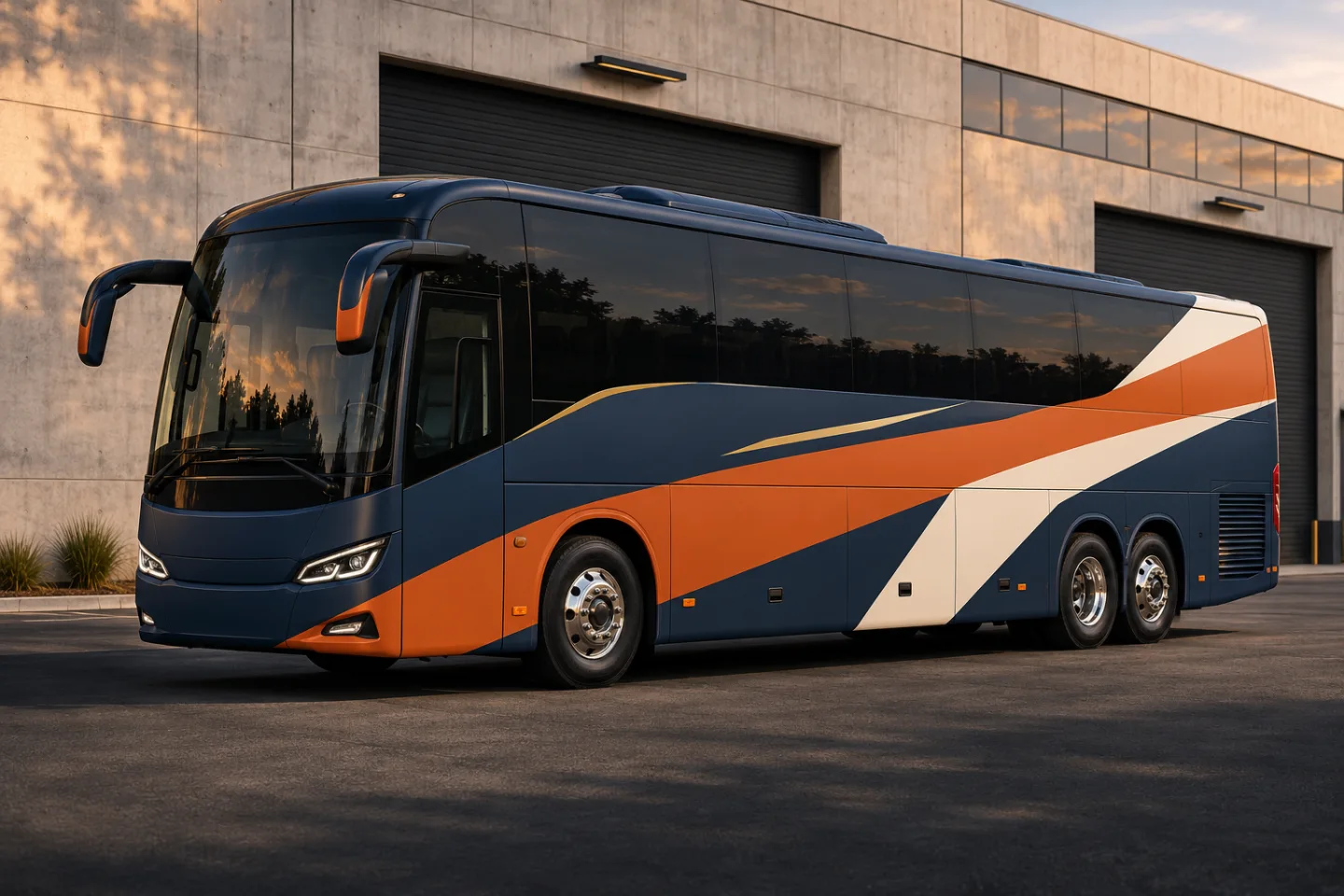
Bus Wrap Advertising
Compare layouts for coach, transit, shuttle, and other passenger buses.
Compare bus, van, truck, and car graphics, from simple lettering to full wraps.
Choose graphics that suit your vehicle, budget, and business.
Start with what people need to know: your business name, what you do, and how to reach you. Then compare coverage, materials, installation, and care.
About Vehicle Wrap AmericaThese images are design concepts, not completed customer projects.
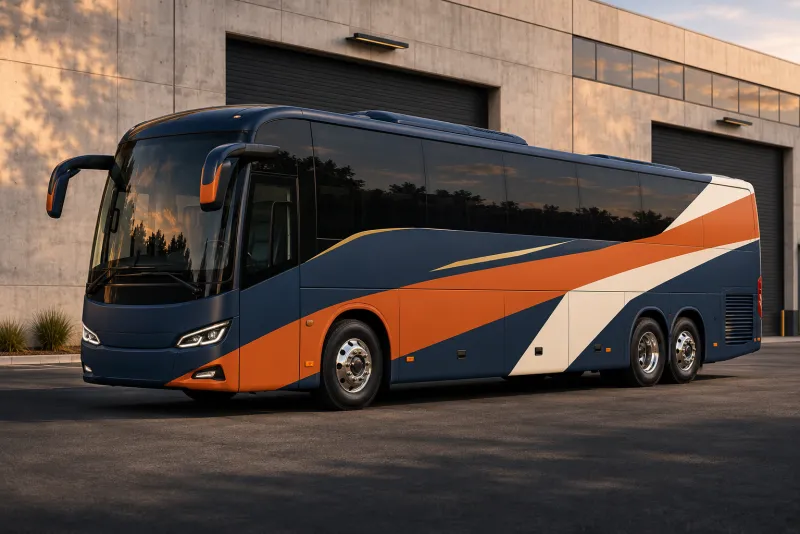 View bus concept larger
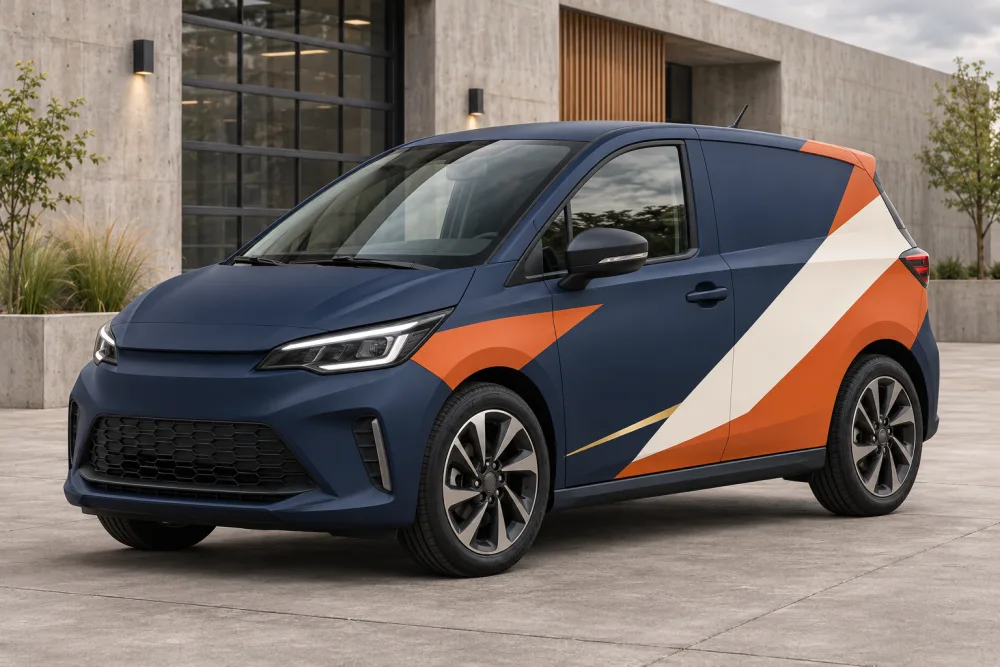 View car concept larger
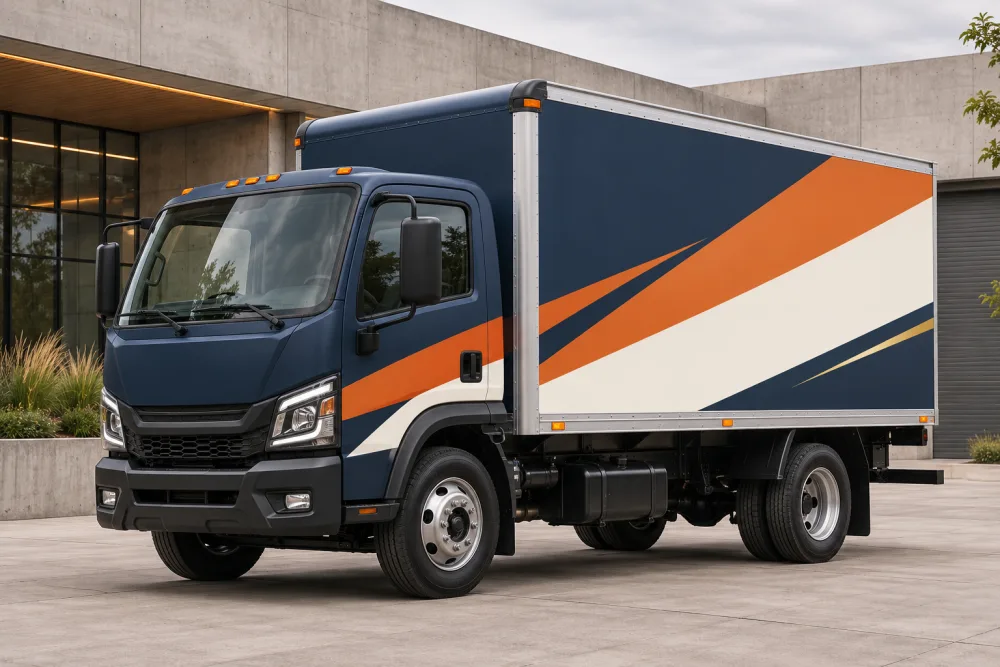 View truck concept larger
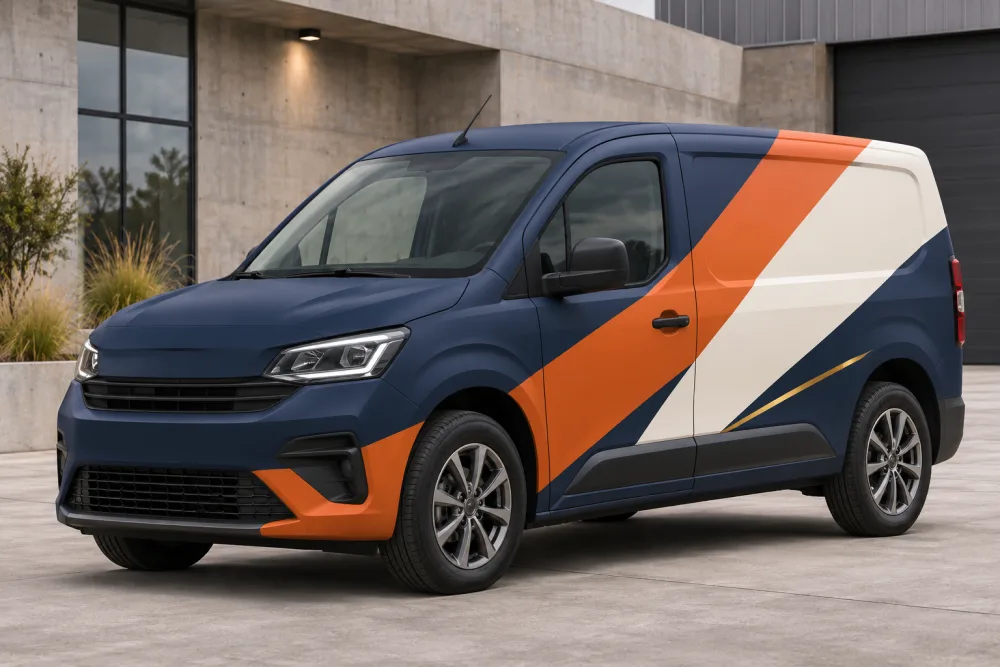 View van concept larger
Compare the space, bodywork, and design considerations for each vehicle.
Compare layouts for coach, transit, shuttle, and other passenger buses.
Plan graphics around van doors, side panels, and equipment access.
Consider cab graphics, box-body panels, and mixed fleet layouts.
Compare lettering, partial coverage, and full wraps for business cars.
Use legible lettering and strong contrast so the main message is easy to recognize.
Adapt the same colors, logo, and contact details to different vehicle sizes.
Choose a full wrap, selected panels, or lettering based on the vehicle and budget.
CONCEPT VISUALIZATIONA full wrap covers the agreed exterior panels. A partial wrap uses selected areas and leaves some paint visible. Both need a layout that works around doors, handles, windows, and curves.
Compare wrap coverageCheck off each step as you prepare.
Your progress is kept only on this page.
Write down what the graphics need to communicate and who should see them. Use the vehicle’s usual routes and parking locations to keep the brief realistic.
Note the make, model, year and body style. Photograph each side and identify existing graphics or paint damage.
List the panels you want branded and consider both full and partial coverage. Check whether the main message remains readable in each option.
Combine your vehicle details, preferred coverage, artwork status and timing. Use the same brief when comparing proposals.
0 of 4 steps complete
There is no single installation price for every vehicle. Vehicle size, film, coverage, preparation and labor determine the scope. Compare complete quotes for the same vehicle and surfaces.
Read the guideA bus wrap is a material system: film, adhesive, ink and often an overlaminate. Choose the system for the surface, contours and intended campaign, then select the appearance.
Read the guideChoose a wrap for changeable printed graphics on a suitable finish. Consider paint when the underlying coating needs restoration or a lasting refinishing job. The right choice begins with vehicle condition and purpose.
Read the guideWatch manufacturer demonstrations of film selection, vehicle inspection, and finishing.
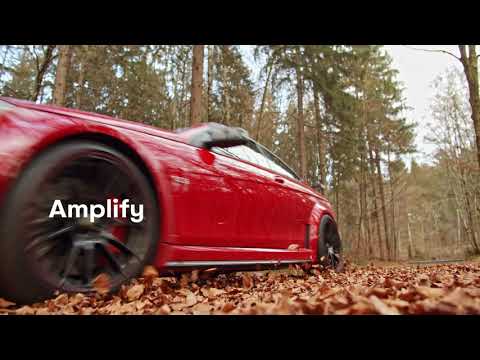
An introduction to a printable film used for vehicle graphics.
Published by Avery Dennison
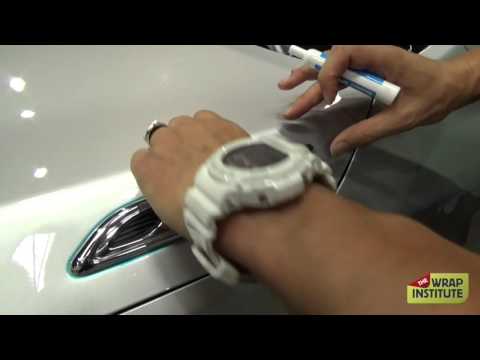
What an installer considers when assessing a vehicle before application.
Published by Avery Dennison
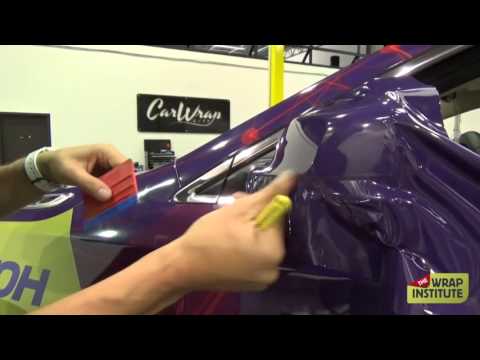
A focused demonstration of working around a curved vehicle component.
Published by Avery Dennison
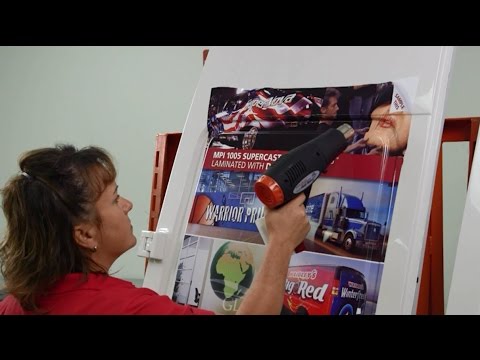
An overview of a finishing step discussed in professional installation.
Published by Avery Dennison
Use these points when you compare proposals or speak with a previous customer.
Look for work on a similar body style, with clear photographs of the finished graphics.
Check which panels, windows, mirrors, and roof areas are included.
Ask for the film and laminate specification rather than a general promise of quality.
Review the message, contact details, and panel layout before printing.
Establish who prepares the vehicle, where it is installed, and how downtime is handled.
Keep the care instructions and understand the limits of any removal or warranty terms.
Start with the basics: coverage, design, installation, and caring for a business vehicle.
9 questions
It uses printed graphics or lettering on a vehicle to identify a business or promote a campaign. The design can cover selected panels or most of the exterior.
Start with a vehicle that reaches your intended audience during normal use. A larger surface is useful only if the route, message and operating costs fit the campaign.
A full wrap covers the exterior panels agreed in the scope. A partial wrap uses selected areas and leaves more of the original paint visible.
Prioritize the business name, a short description of the service and one readable contact detail. Add information only if it remains clear at a realistic viewing distance.
No. Results depend on the audience, vehicle use, design and offer. Track inquiries and campaign costs rather than assuming visibility will produce sales.
Rust, peeling clear coat and unstable paint need assessment first. Film cannot repair these problems, and removal may lift a weak finish.
Vehicle size, panel shape, coverage, material choice, artwork, preparation and labor all affect the price. Existing graphics and travel can add separate charges.
A provider may be able to replace a panel or selected lettering. Keep approved artwork and material records so a repair can be assessed without recreating the entire design.
The wrap guides cover installation costs, campaign expenses, bus materials, removal and the choice between film and paint. Use the guide that matches your decision.
No matching questions. Try another topic or clear the search.
Prepare your vehicle details, preferred coverage, and questions before requesting an estimate.